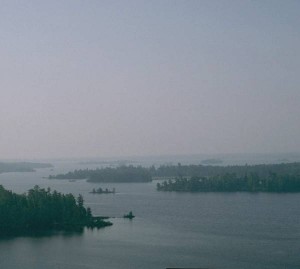
The Grand Portage Reservation is at the northeastern tip of Minnesota. The Air Quality Program has many ongoing projects in order to maintain healthy indoor and outdoor air. These projects include monitoring for regional haze and particulate matter, indoor air quality, invasive plant removal, public outreach, environmental education, alternative energy, and climate change.
Showing posts with label PM. Show all posts

Monday, September 26, 2011

Air Quality Update

The air quality has been good in Grand Portage over the past week. Smoke has not traveled from either the Pagami Creek Fire or the fires in Ontario.

The Grand Portage haze-camera is back up and running, so check out the website to get a view of Grand Portage and get an update on the air quality.

Friday, September 16, 2011

Air Quality

If you smell smoke and see haze from the Pagami wildfire, you may want to limit your outdoor activities. Currently in Grand Portage, the air quality is good, but the air quality is unhealthy this morning in the Boundary Waters near Ely. Yesterday afternoon at my home near Colvill, smoke blew in from the fire and was present for about an hour. The levels of particulates from the smoke are changing depending on wind conditions, so pay attention to how you may be affected by the smoke. Symptoms from inhaling woodsmoke are coughing, wheezing, shortness of breath, and headaches. If you have an existing lung or cardiovascular condition, be very careful around wood smoke and remain indoors while smoke levels remain elevated.
Picture courtesy of Minnesota Public Radio

Wednesday, September 14, 2011

Smoke from the Pagami Fire

The air has cleared today in Grand Portage (and back at my home in the Colvill area). The level of fine particulates lowered yesterday afternoon, and there is currently no air quality alert issued. However, please pay attention to your health as the Pagami Fire continues to increase. The smoke levels are changing quickly. Wisconsin, Illinois, and Michcigan are having air quality alerts. Chicago was experiencing haze from the Pagami Fire yesterday (Photo courtesy of Chicago Tribune). I was in Grand Marais on Monday when the fire increased and the smoke plume went through town. The sun was a bright, fire red, and the smell of wood smoke took over the town. Yesterday, smoke spread to Grand Portage in the afternoon and for a few hours haze filled the air.


Here is a satellite image of the smoke plume from the fire on Monday (Picture courtesy of CIMSS Satellite Blog). Smoke contains fine particulates, and there is a monitor at Trust Lands that measures the levels of these particules each hour. I will post air quality alerts as the monitor shows elevated levels of particulates. However, if you smell smoke, stay indoors and do not draw smoky air inside.

Friday, August 19, 2011

Air Quality Update

Friday 8/19/11

On July 19th an Air Quality Alert was posted because fires in Ontario caused smoke to become elevated in Grand Portage. Smoke contains small particulates, and the monitor located at Trust Lands measures levels of particulates in the air on an hourly basis. Fires in Ontario are still burning and several new fires started this week; however, the air quality has been good to moderate, and fine particulates have not reached levels that could cause health effects in people. The Grand Portage Air Program will provide updates as long as the fires are still burning. If levels of particulates become elevated, another air quality alert will be posted.

Possible Health Effects from Fire Smoke

  • Eye and throat irritation
  • Respiratory symptoms, such as wheezing, coughing, shortness of breath
  • Aggravation of asthma and heart or lung disease

Precautions You Can Take to Limit Health Effects from Fire Smoke

  • Everyone, especially children, the elderly and other sensitive individuals should avoid vigorous exercise outdoors.
  • Avoid drawing smoky air indoors: use an air conditioner if you have one and keep it on the recycle/recirculate mode. If you are using a fan, place them away from a window, where they would draw in smoky air.

Monitor Grand Portage air quality: http://www.mwhazecam.net/grand.html

Look for updates on the Grand Portage Air Quality blog: http://gpairquality.blogspot.com/

Monitor air quality nationwide: http://www.airnow.gov/.


Wednesday, August 3, 2011

Fires in Ontario

The fires in Canada are still burning. Check out these maps to see where the fires are located. Smoke contains fine particles that are inhaled deep into the lungs, which can exacerbate respiratory and cardiovascular disease. The level of particulates can increase in Grand Portage and Cook County due to the forest fires in Ontario, so please check the air quality daily, especially before exercising outdoors. High humidity can increase the levels of particulates and cause haze to worsen, and northern winds may draw the smoke down to Cook County.

Today we have been experiencing good to moderate air quality in Grand Portage, which means that health effects will not be experienced, except for those who are unusually sensitive to air pollution.

Monitor the air quality at:
Picture from Wilderness News Online

Monday, July 25, 2011

Air Quality

The amount of fine particulates in the air in Grand Portage is low this morning. I smelled smoke at my house near Colville on Saturday morning, but the rain quickly cleaned up the air. The fires are still burning in Canada, so keep checking the air quality at the Grand Portage hazecamera, especially for children elders, and those with respiratory or cardiovascular conditions. High amounts of particulates can exacerbate heart and lung disease.

If you smell smoke and/or see haze from smoke, it is likely the particulates are high, so stay indoors and run your air conditioner if you have one. If you think the particulates are high, avoid physical activity outside.

Visit AirNow to monitor the air quality across the whole U.S.

Learn more at EPA's website about particulate matter.

Tuesday, July 19, 2011

Air Quality Advisory

Air Quality Advisory

Tuesday, 7/19/11

Fires in Canada are creating elevated levels of smoke and hazy conditions in Grand Portage. Smoke contains small particulates, and the monitor located at Trust Lands measures levels of particulates in the air on an hourly basis. The amount of these particulates in the air has spiked since 9:00 last night to levels that could have negative health impacts on young children, elders, and those with asthma or respiratory illness. Beginning at 2:00 AM today, the particulates reached a level where everyone may begin to experience health effects and sensitive individuals may experience serious health effects.

Possible Health Effects from Fire Smoke

· Eye and throat irritation

· Respiratory symptoms, such as wheezing, coughing, shortness of breath

· Aggravation of asthma and heart or lung disease

Precautions You Can Take to Limit Health Effects

· Everyone, especially children, the elderly and other sensitive individuals should avoid vigorous exercise outdoors.

· Avoid drawing smoky air indoors: use an air conditioner if you have one and keep it on the recycle/recirculate mode. If you are using a fan, place them away from a window, where they would draw in smoky air.

Call Yvette at 475-2027 if you have any questions.

Wednesday, December 31, 2008

From The "Practice What You Preach" Department

A couple of months ago I posted on how everyone should clean and check their wood stoves for leaks before the heating season. Mine was clean and ready, and I didn't think it had any leaks - until I discovered one last night.

I only fire it up when it gets below zero to save on propane, so with temperatures forecast to get down around ten to fifteen below and winds at 25-30 mph I thought I had better stoke up a nice fire.

A few hours later the fire was burning nice and hot, but my wife said she could smell an occasional whiff of smoke. I checked the dampers and vents and everything seemed fine, so I sat and watched the stove and pipe and sure enough - a short puff of smoke came out from where the flue damper was. The wind was strong enough to overpower the hot smoke and the pressure buildup caused the leak. I will need to replace that section of pipe, but in the meantime I will try to find some high temperature putty or tape as a solution for the winter.

I guess the moral of the story is; don't assume your stovepipe has no leaks until you watch it in windy conditions or test it under pressure.