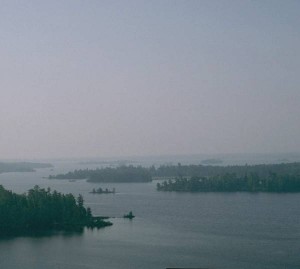
The Grand Portage Reservation is at the northeastern tip of Minnesota. The Air Quality Program has many ongoing projects in order to maintain healthy indoor and outdoor air. These projects include monitoring for regional haze and particulate matter, indoor air quality, invasive plant removal, public outreach, environmental education, alternative energy, and climate change.
Showing posts with label air pollution. Show all posts

Tuesday, June 18, 2013

New Study Links Air Pollution And Autism

A new study from Harvard's School of Public Health has linked autism with exposure of the mother to air pollution. The study builds on research published in 2006 and 2012 which first made the linkage between autism and air pollution. From the report at Bloomberg:
Researchers from Harvard University’s School of Public Health found that pregnant women exposed to high levels of diesel particulates or mercury were twice as likely to have an autistic child compared with peers in low-pollution areas. The findings, published today in Environmental Health Perspectives, are from the largest U.S. study to examine the ties between air pollution and autism.

More research needs to be done to determine how air pollution can affect developing brains but the evidence is becoming stronger that there is a link. All the more reason to be vigilant in protecting our air.

Thursday, February 7, 2013

New Research Produces Energy From Coal Without Burning

Promising new research at Ohio State is using chemical reactions to produce energy from coal without burning it, capturing 99 percent of the carbon dioxide produced in the process. The system ran for 203 continuous hours in the recent test, and according to the researchers could have run longer. The reaction uses coal that has been ground into powder and mixed with iron oxide beads and heated. Details from the link:

The coal and iron oxide are heated to high temperatures, where the materials react with each other. Carbon from the coal binds with the oxygen from the iron oxide and creates carbon dioxide, which rises into a chamber where it is captured. Hot iron and coal ash are left behind. Because the iron beads are so much bigger than the coal ash, they are easily separated out of the ash, and delivered to a chamber where the heat energy would normally be harnessed for electricity. The coal ash is removed from the system.
The carbon dioxide is separated and can be recycled or sequestered for storage. The iron beads are exposed to air inside the reactor, so that they become re-oxidized be used again. The beads can be re-used almost indefinitely, or recycled.

The US Department of Energy is helping to fund this research and is building a pilot scale reactor set to go online later this year. While there are still environmental concerns with coal mining this technology could possibly remove the air quality issues involved with using coal for energy.

Friday, October 12, 2012

Western Tribes Defend Sacred Sites Against Coal Export Plan


Photo: Paul Anderson for The New York Times

Chuck Boyer operated a skiff that brought people from their fishing boats to shore to watch speeches during a protest against the building of North America's largest coal terminal at Cherry Point, Wash.

Tribes in the Pacific Northwest have allied with environmental groups to oppose a plan to build six coal export terminals along the west coast. The coal would then be transported to the booming markets of Asia where industrial air pollution is far less regulated and air regularly reaches unhealthy levels of pollutants. The proposed plan would disrupt traditional fishing sites as well as disturbing numerous sacred sites according to tribal leaders and elders.

Why should this concern us thousands of miles away?

Because air pollution does not respect national boundaries and already pollution from China reaches the air above us where it can come back to earth in rain and snow to contaminate our lands and waters. This and the fact that coal is a major source of carbon dioxide emissions that are increasing global temperatures to ominous levels are enough reasons to oppose this new coal export capacity. Despite what some political ads say, the main reason coal production has fallen so drastically in the US is not overzealous government regulation but competition from suddenly cheap and abundant natural gas. Coal companies are just trying to shift their smoky product to another market so they can continue to remove mountaintops at their leisure. The world economy needs to transition away from the unsustainable dependence on fossil fuels and the sooner we realize that burning coal is nineteenth century technology unfit for a twenty-first world the sooner we can transition to more sustainable sources of energy. Coal is also a significant source of mercury which can find its way up the food chain through a process called bioaccumulation. This has led to alarmingly high mercury levels among First Nation people in arctic Canada.

Coal is a bad deal for all involved and the government needs to do more to assist families whose livelihoods depend on coal to transition away from it because eventually the government will realize that the price of coal energy is far higher for the planet than just the cost of a ton of coal.

Wednesday, November 30, 2011

Importance of the Clean Air Act

Remembering Donora, Pa., on the Anniversary of its Deadly Smog Incident

Why we need the Clean Air Act.

October 30, 2011 at 8:49AM by Jim DiPeso

The incident took place on Halloween weekend, 63 years ago.

Over time, we learned from the incident. Congress passed laws, the laws were enforced, business practices changed dramatically, and the chances of such an incident ever happening again in the U.S. became minuscule.

Still, it's worth retelling the story, especially now, when the laws that resulted from the incident are under ideological attack from political figures who might not know about the incident or, worse, might believe there is no role for government in making sure something like it never happens again.

The incident happened in Donora, Pa., a mill town on the Monongahela River south of Pittsburgh. Donora's economy ran on coal. Donora made its living from a steel mill that burned coal to fire coke ovens, melt iron ore in blast furnaces, and produce finished steel in open hearths. Donora men also worked at a zinc plant that burned coal to smelt ore and produce zinc used for creating strong steel alloys. Day and night, the mills ran.

In those days, mill emissions were unregulated and uncontrolled. Smoky, smelly air that killed the grass and ruined the paint was thought to be an unavoidable part of living with industries that employed thousands of local men and put food on the tables of their families. Coal did more than fuel the local economy. Coal heated homes that Donora's men returned to after their work shifts. Coal powered the trains that chugged through town.

On Tuesday, October 26, 1948, an atmospheric inversion slammed a lid on Donora. Inversions prevent the air from mixing and dispersing pollution. The inversion that October week was unusually strong. All the airborne detritus from uncontrolled furnaces, ovens, stoves, and locomotives stayed put in the valley. The foul mixture–carbon monoxide, sulfur dioxide, metal dust, fluoride compounds–mixed with fog. The miasma built and thickened as the days passed.

Still, Donorans went about their business, even as the acrid gloom turned day into night. The town went ahead with its annual Halloween parade on Friday evening, October 29. The next day, Donorans filled the stands at Legion Field for high school football, as the hometown heroes, the Donora Dragons, went up against their big rivals, the Monongahela Wildcats, on a field clouded by the polluted air. The fans had a hard time seeing the action. The players had a hard time seeing the ball.

Back in town, a public health disaster was unfolding. In her 2002 book, When Smoke Ran Like Water, epidemiologist and Donora native Devra Davis spelled out the grim details:

"Doc Rongaus gave the same advice to anyone who would listen. Leave if you can. The firemen of Donora went from door to door delivering whiffs of oxygen from tanks to those who were stranded. One of the firemen, John Volk, remembered borrowing oxygen canisters from the Monongahela, Monesen, and Charleroi fire departments. 'There never was such a fog. You couldn't see your hand in front of your face, day or night. Hell, even inside the station, the air was blue. I drove on the left side of the street with my head out the window, steering by scraping the curb.'"

Years later, the Pittsburgh Post-Gazette quoted a local fireman who recalled, "If you could chew (the air) hard enough, you could swallow it."

Block after block in Donora, townspeople fell sick. Shortness of breath. Headaches. Vomiting. Bloody sputum. Local hospitals ran out of beds. Doctors were run ragged. A local mortuary ran out of coffins. Pets and farm animals keeled over in their tracks. Word got out. Phone lines jammed as frantic out-of-towners tried to call their Donora relatives. Yet all day Saturday, as the sickness and misery spread, the mills kept running. No one in authority had any power to order them off line. On Sunday morning, Halloween, the zinc mill manager grudgingly shut the smelter down for a day under orders from the front office.

On Monday, Nov. 1, the inversion lifted. Rains came and scrubbed the filth from the skies. By the time blue skies returned, 20 Donorans had died. Nearly half the town of 14,000 had fallen sick.

Donora was a trigger, one of several, that spurred research, debate, hearings, and finally, legislation. Twenty-two years after the Donora smog, Congress passed the Clean Air Act by strong bipartisan majorities, and President Richard Nixon signed it into law. America's air is much cleaner as a result. Technologies that didn't exist in 1948 were invented to clean up motor vehicles, mills, and factories. An urgent need sparked innovation.

Today, you can visit the Donora Smog Museum and learn about the incident. The museum's slogan is: Clean Air Started Here. Those in office who think the U.S. could do without the Clean Air Act ought to pay a visit.

Article from http://www.thedailygreen.com/environmental-news/blogs/republican/donora-pa-smog-1011

Picture from http://www.eoearth.org/article/Donora,_Pennsylvania

Monday, September 26, 2011

Air Quality Update

The air quality has been good in Grand Portage over the past week. Smoke has not traveled from either the Pagami Creek Fire or the fires in Ontario.

The Grand Portage haze-camera is back up and running, so check out the website to get a view of Grand Portage and get an update on the air quality.

Friday, September 16, 2011

Air Quality

If you smell smoke and see haze from the Pagami wildfire, you may want to limit your outdoor activities. Currently in Grand Portage, the air quality is good, but the air quality is unhealthy this morning in the Boundary Waters near Ely. Yesterday afternoon at my home near Colvill, smoke blew in from the fire and was present for about an hour. The levels of particulates from the smoke are changing depending on wind conditions, so pay attention to how you may be affected by the smoke. Symptoms from inhaling woodsmoke are coughing, wheezing, shortness of breath, and headaches. If you have an existing lung or cardiovascular condition, be very careful around wood smoke and remain indoors while smoke levels remain elevated.
Picture courtesy of Minnesota Public Radio

Wednesday, September 14, 2011

Smoke from the Pagami Fire

The air has cleared today in Grand Portage (and back at my home in the Colvill area). The level of fine particulates lowered yesterday afternoon, and there is currently no air quality alert issued. However, please pay attention to your health as the Pagami Fire continues to increase. The smoke levels are changing quickly. Wisconsin, Illinois, and Michcigan are having air quality alerts. Chicago was experiencing haze from the Pagami Fire yesterday (Photo courtesy of Chicago Tribune). I was in Grand Marais on Monday when the fire increased and the smoke plume went through town. The sun was a bright, fire red, and the smell of wood smoke took over the town. Yesterday, smoke spread to Grand Portage in the afternoon and for a few hours haze filled the air.


Here is a satellite image of the smoke plume from the fire on Monday (Picture courtesy of CIMSS Satellite Blog). Smoke contains fine particulates, and there is a monitor at Trust Lands that measures the levels of these particules each hour. I will post air quality alerts as the monitor shows elevated levels of particulates. However, if you smell smoke, stay indoors and do not draw smoky air inside.

Tuesday, September 13, 2011

AIr Quality Alert

Air Quality Alert

Tuesday 9/13/11

The Pagami Creek Fire that started in the Boundary Waters Wilderness is increasing and is causing smoke to spread over northeast Minnesota. Smoke contains small particulates that can spread deep into the lungs, causing lung and cardiovascular effects. The Air Quality Program will provide updates on air quality; however, if you smell smoke, take the following precautions to limit health effects, and if you experience health effects, contact health services immediately.

Precautions You Can Take to Limit Health Effects

· Children, elders, and those sensitive to air pollution should avoid being outside when you can smell and see smoke. Everyone should be cautious of exercising outdoors when smoke is present.

· Avoid drawing smoky air indoors: use an air conditioner if you have one and keep it on the recycle/recirculate mode. If you are using a fan, place them away from a window, where they would draw in smoky air.

Possible Health Effects from Fire Smoke

· Eye and throat irritation

· Respiratory symptoms, such as wheezing, coughing, shortness of breath

· Aggravation of asthma and heart or lung disease

Friday, August 19, 2011

Air Quality Update

Friday 8/19/11

On July 19th an Air Quality Alert was posted because fires in Ontario caused smoke to become elevated in Grand Portage. Smoke contains small particulates, and the monitor located at Trust Lands measures levels of particulates in the air on an hourly basis. Fires in Ontario are still burning and several new fires started this week; however, the air quality has been good to moderate, and fine particulates have not reached levels that could cause health effects in people. The Grand Portage Air Program will provide updates as long as the fires are still burning. If levels of particulates become elevated, another air quality alert will be posted.

Possible Health Effects from Fire Smoke

  • Eye and throat irritation
  • Respiratory symptoms, such as wheezing, coughing, shortness of breath
  • Aggravation of asthma and heart or lung disease

Precautions You Can Take to Limit Health Effects from Fire Smoke

  • Everyone, especially children, the elderly and other sensitive individuals should avoid vigorous exercise outdoors.
  • Avoid drawing smoky air indoors: use an air conditioner if you have one and keep it on the recycle/recirculate mode. If you are using a fan, place them away from a window, where they would draw in smoky air.

Monitor Grand Portage air quality: http://www.mwhazecam.net/grand.html

Look for updates on the Grand Portage Air Quality blog: http://gpairquality.blogspot.com/

Monitor air quality nationwide: http://www.airnow.gov/.


Wednesday, August 3, 2011

Fires in Ontario

The fires in Canada are still burning. Check out these maps to see where the fires are located. Smoke contains fine particles that are inhaled deep into the lungs, which can exacerbate respiratory and cardiovascular disease. The level of particulates can increase in Grand Portage and Cook County due to the forest fires in Ontario, so please check the air quality daily, especially before exercising outdoors. High humidity can increase the levels of particulates and cause haze to worsen, and northern winds may draw the smoke down to Cook County.

Today we have been experiencing good to moderate air quality in Grand Portage, which means that health effects will not be experienced, except for those who are unusually sensitive to air pollution.

Monitor the air quality at:
Picture from Wilderness News Online

Monday, July 25, 2011

Air Quality

The amount of fine particulates in the air in Grand Portage is low this morning. I smelled smoke at my house near Colville on Saturday morning, but the rain quickly cleaned up the air. The fires are still burning in Canada, so keep checking the air quality at the Grand Portage hazecamera, especially for children elders, and those with respiratory or cardiovascular conditions. High amounts of particulates can exacerbate heart and lung disease.

If you smell smoke and/or see haze from smoke, it is likely the particulates are high, so stay indoors and run your air conditioner if you have one. If you think the particulates are high, avoid physical activity outside.

Visit AirNow to monitor the air quality across the whole U.S.

Learn more at EPA's website about particulate matter.

Wednesday, July 20, 2011

Air Quality Advisory

By yesterday afternoon at around 3:00 pm, the level of particulates in the air in Grand Portage decreased to a level that was safe for the general population to be outside. Currently, the air in Cook County is excellent due to the rain and winds that washed the particulates out of the air.

You can monitor Grand Portage air quality by visiting the Grand Portage hazecam website (the data is an hour or two behind) at: http://www.mwhazecam.net/grand.html. To monitor air quality nationwide, visit AirNow at: http://www.airnow.gov/.